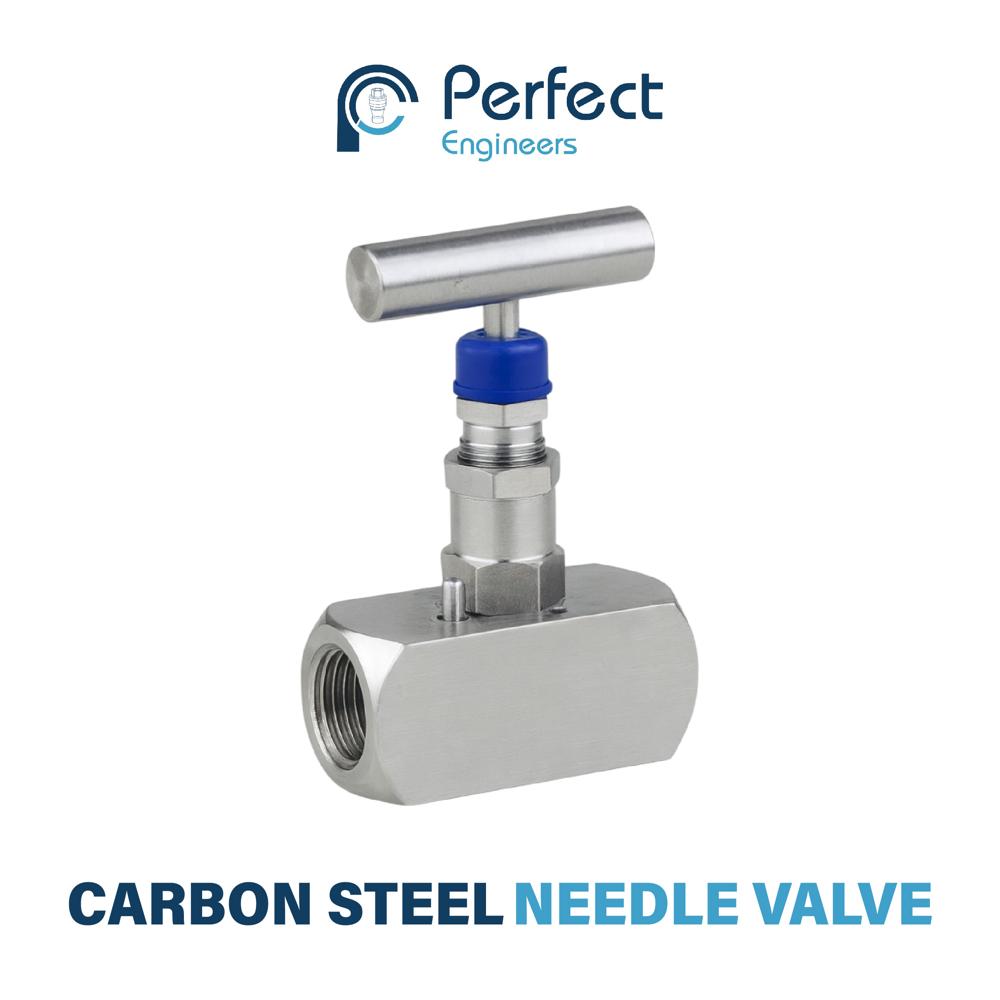
Carbon Steel Needle Valve About
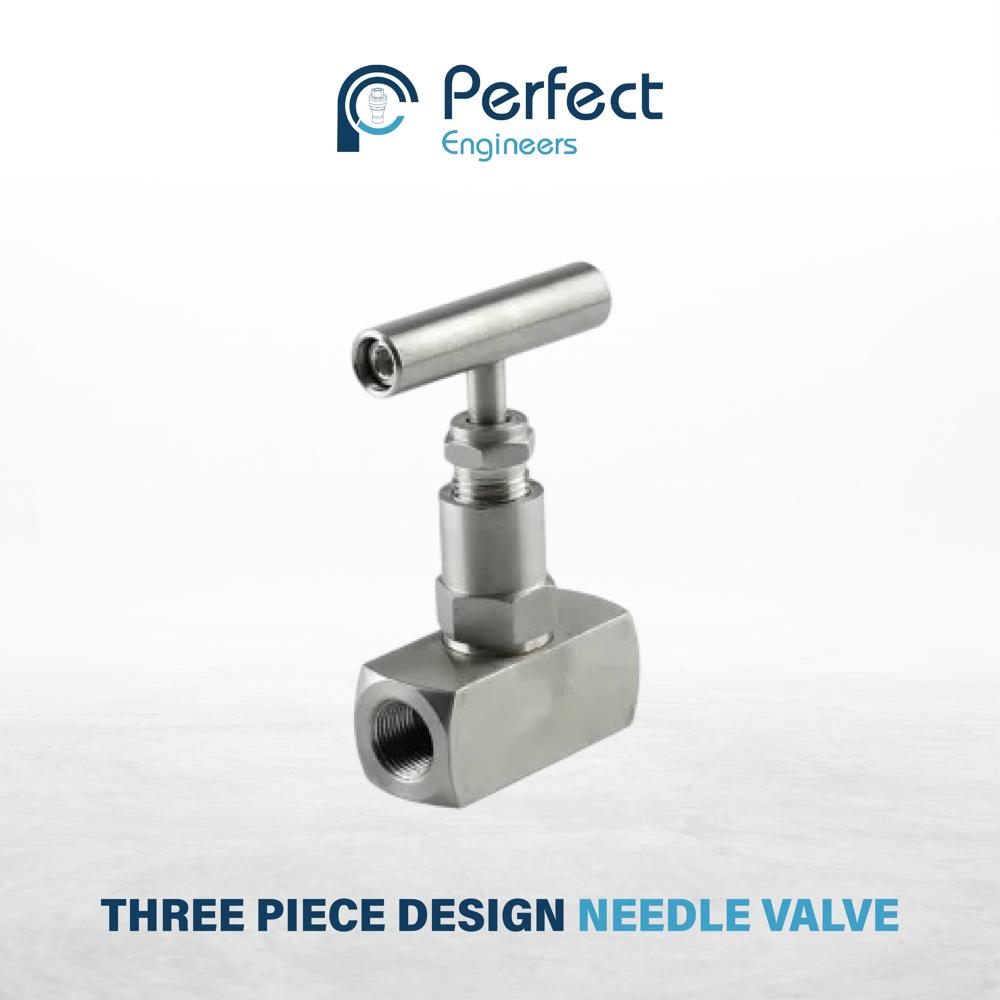
Carbon Steel Needle Valve from Perfect Engineers is a precision-engineered flow control valve designed for accurate regulation and isolation of liquids, gases, and other compatible media in industrial piping, hydraulic, pneumatic, and process systems. The precision-machined needle and fine-threaded stem provide smooth, gradual flow adjustment and reliable shut-off performance. Manufactured from high-quality Carbon Steel, these valves offer excellent mechanical strength, durability, wear resistance, and reliable performance in demanding operating conditions.
Key Features:
- Robust Carbon Steel construction
- Precise and gradual flow regulation
- Fine-threaded stem and needle mechanism
- Reliable and leak-resistant sealing
- Excellent mechanical strength and durability
- Suitable for high-pressure applications
- Available in various sizes and pressure ratings
- BSP, NPT, and other thread configurations available
Applications:
- Oil & gas industries
- Hydraulic and pneumatic systems
- Chemical and petrochemical plants
- Power generation
- Industrial process lines
- Instrumentation and control systems
- Pressure and flow regulation equipment
Perfect Engineers supplies high-quality Carbon Steel Needle Valves engineered for accurate flow control, dependable shut-off, long service life, and reliable performance across demanding industrial applications.
Flexible Integration in Various ApplicationsThe Carbon Steel Needle Valve is engineered for maximum adaptability, offering straight and angle flow patterns and a range of end connection sizes from 1/8" to 2" (BSP/NPT/SAE). Its mounting position is not restrictive, ensuring installation flexibility in complex piping systems and diverse industries, including oil & gas, chemical, and process control.
Superior Sealing and Zero Leakage AssuranceFitted with advanced PTFE or graphite seals and adjustable packing gland, this valve guarantees bubble-tight (zero) leakage. It adheres to strict international testing standards (API 598/BS 6755), making it highly dependable for critical processes where tight shut-off is essential for system safety and performance.
FAQ's of Carbon Steel Needle Valve:
Q: How does the Carbon Steel Needle Valve ensure zero leakage in high-pressure systems?
A: The Carbon Steel Needle Valve features PTFE or graphite seals and an adjustable packing gland, providing a bubble-tight shutoff even at pressures up to 6000 PSI (420 Bar). The valve undergoes rigorous testing per API 598 and BS 6755 standards to guarantee zero leakage under operational conditions.
Q: What are the typical applications for this needle valve?
A: This needle valve is widely used in instrumentation, chemical processing, petrochemical, oil and gas, and process control industries. Its robust build and reliable sealing make it suitable for controlling the flow of gas, water, oil, air, and hydraulic fluids across a temperature range of -20C to +220C.
Q: When should I choose the straight pattern versus the angle pattern design?
A: Choose the straight pattern for in-line flow applications where the inlet and outlet are on the same axis. The angle pattern is ideal when a 90-degree turn in the fluid flow is required, offering greater flexibility in system layout and reducing the need for additional fittings.
Q: Where can the needle valve be installed in a system?
A: The valve can be mounted in any direction due to its versatile design. This allows for installation in tight spaces or at various angles without compromising performance or integrity, meeting the needs of complex piping arrangements.
Q: What is the process for selecting the appropriate end connection size and type?
A: Determine the required port size (available from 1/8" to 2") and thread standard (BSP, NPT, SAE) based on your system's specifications. Consider the connection type needed-female/female, male/female, or male/male-ensuring compatibility with the existing pipework or instrumentation equipment.
Q: How does the anti-corrosive surface treatment benefit the valve's operation and lifespan?
A: With options like zinc-plating, blackodising, or other anti-corrosive finishes, the valve resists rust and chemical attack, making it suitable for harsh environments. This protection extends the service life and reliability of the valve, reducing maintenance needs and operational downtime.







 English
 Spanish
 French
 German
 Italian
 Chinese (Simplified)
 Japanese
 Korean
 Arabic
 Portuguese
 Send Inquiry

 Send Inquiry


 Send Inquiry
